NEED MONEY URGENTLY? HERE'S HOW TO CHOOSE THE RIGHT FUNDING OPTION.
Direct Answer: Financial emergencies rarely arrive with a warning. Whether it's an unexpected medical expense, an urgent home repair or a temporary cash-flow gap before payday, the need for quick access to funds can arise at any time. Before opting for a loan, it's worth exploring alternatives such as emergency savings, insurance claims or support from family. If borrowing becomes necessary, choosing the right option depends on how the funds will be used, how quickly they're needed and how comfortably the repayment fits your finances.
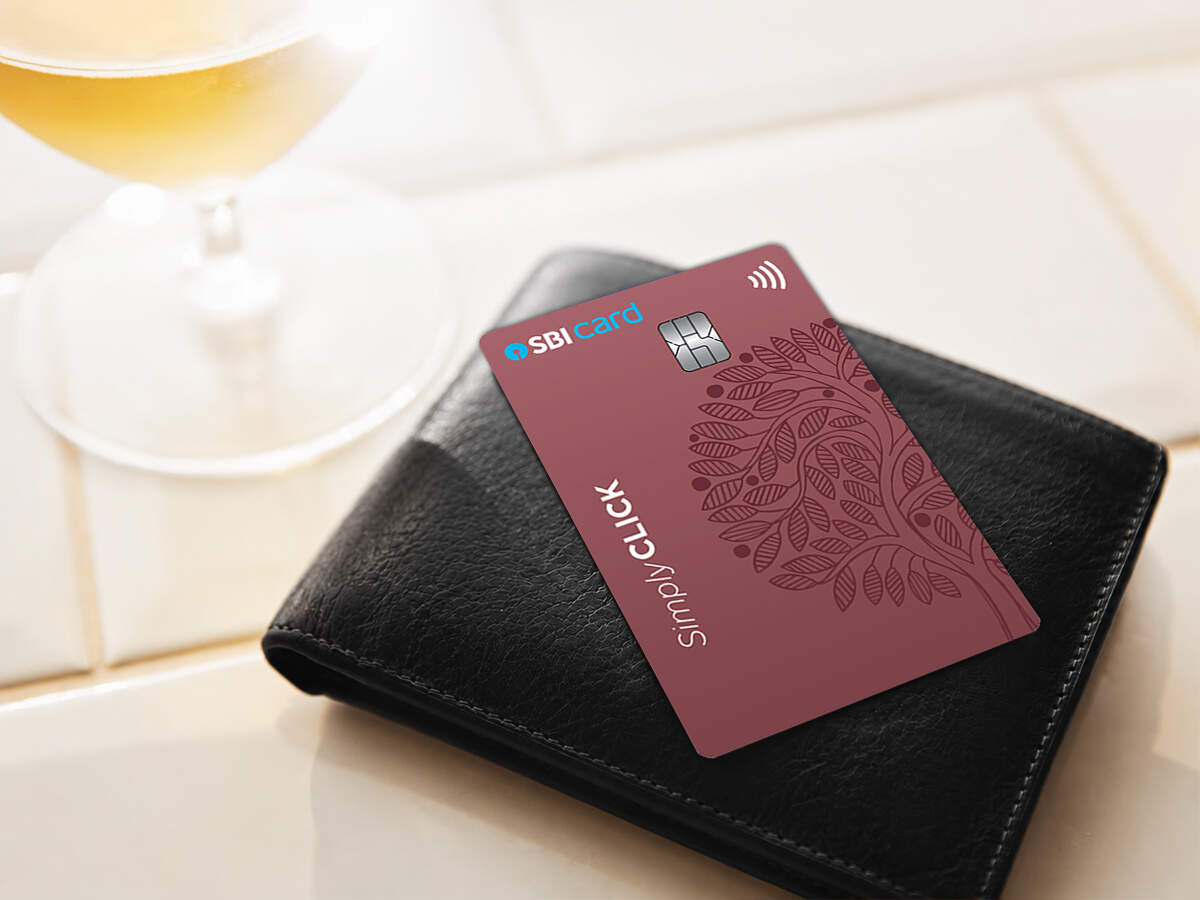
Eligible SBI Credit Cardholders can access several features for financial flexibility. These include Flexipay offer for converting purchases into EMIs, Balance Transfer on EMI (BT on EMI) for transferring outstanding dues from non-SBI Credit Cards to your SBI Credit Card, and Cash Advance for emergencies. Choosing the right option means balancing speed, cost, and repayment ability, rather than simply opting for the fastest source of money.
How should you think about arranging money quickly?
When faced with an urgent financial requirement, it’s easy to focus only on how fast money can be arranged. However, two questions matter more than speed.1. Do you need to pay a merchant or do you need cash?
If a hospital, retailer, educational institution or service provider accepts card payments, you may not need cash at all. Paying directly through your credit card could be quicker than arranging a fresh loan.
However, if you’re paying rent, transferring money to someone, or paying a vendor who accepts only bank transfers or cash, you’ll need an option that provides funds directly to your bank account.
2. Can you comfortably repay the amount?
Borrowing should solve a short-term cash-flow challenge, not create a long-term financial burden.
Before choosing any borrowing option, ask yourself:
- Is the expense genuinely unavoidable?
- Can insurance cover any part of the cost?
- Can the bill be paid in instalments directly to the merchant?
- Will the EMI fit comfortably within your monthly budget?
| Funding option | Best suited for | Typical speed | Key considerations |
| Emergency savings | Any unexpected expense | Immediate | No borrowing cost; preserves financial independence but reduces savings buffer |
| Borrow within family | Temporary cash shortages | Same day to a few days | Often interest-free but depends on availability |
| Personal loan | Larger cash requirements | 1–7 working days | Compare interest rates, processing fees and total repayment cost |
| Loan against eligible investments | Individuals with FDs or other eligible investments | Same day to 2–3 days | Usually lower borrowing costs than unsecured loans |
| Credit card payment | Merchants accepting cards | Immediate | Pay full statement balance on time to avoid finance charges |
| Credit card EMI conversion | Large eligible purchases | 2-3 working days | Converts an existing purchase into EMIs; applicable charges and interest may apply |
| Credit card Cash Advance | Genuine emergencies requiring cash | Immediate | Higher charges and finance costs generally apply from the date of withdrawal |
Which emergency funding option is right for your situation?
| Situation | Suitable option |
| Hospital or medical bill | Credit card payment if accepted, followed by Flexipay offer for eligible purchases |
| Salary delayed | Emergency savings or the applicable interest-free credit period on card spends |
| Urgent appliance or vehicle repair | Credit card payment, Flexipay offer, or loan against eligible investments |
| Existing dues on non-SBI Credit Cards becoming difficult to manage | Balance Transfer on EMI to transfer outstanding dues from other issuers to your SBI Credit Card |
| Immediate cash requirement | Emergency savings first; Cash Advance if unavoidable |
| Large, planned expense requiring flexibility | EMI conversion facility such as Flexipay offer |
How can existing SBI credit cardholders manage unexpected expenses?
Unexpected expenses don’t always require a new loan application. Existing SBI Card customers may already have access to features that help manage cash flow more efficiently.Flexipay offer
Flexipay offer enables eligible retail purchases to be converted into EMIs, allowing cardholders to spread the repayment over a chosen tenure instead of paying the full amount in a single billing cycle.Eligible transactions can be booked through the SBI Card mobile app, the SBI Card website and other official customer service channels. For more details, visit the official SBI Card website. Applicable eligibility criteria, minimum transaction values, processing fees and repayment tenures apply. Do note that the Flexipay offer fees and charges cannot be converted into Flexipay EMI.
Flexipay offer allows customers to convert big ticket purchases into affordable monthly EMIs, making it easier to manage high-value expenses without straining your monthly budget.
Balance transfer on EMI (BT on EMI)
If you have outstanding balances on eligible non-SBI Credit Cards, Balance Transfer on EMI allows you to consolidate those dues onto your SBI Card and repay them through structured monthly EMIs, subject to eligibility and available credit limit.Rather than revolving outstanding balances month after month, eligible customers can convert them into fixed repayments, making it easier to plan monthly finances.
Cash withdrawal from ATMs via credit card
Sometimes an emergency genuinely requires immediate cash rather than a card payment.SBI Card offers a Cash Advance facility that allows cardholders to withdraw cash from ATMs.
However, unlike regular retail transactions, cash advances generally attract finance charges from the date of withdrawal along with applicable transaction fees. For this reason, Cash Advance is best viewed as a last-resort facility for genuine emergencies rather than a routine source of funds.
Track your borrowing through the SBI card app
Before converting a purchase into EMIs or using any credit facility, review your available credit limit, outstanding balance, billing cycle and repayment obligations.The SBI Card App allows customers to monitor spending, available credit, statement balances and eligible offers, helping them make informed borrowing decisions.
Frequently asked questions (FAQs)
Q1. What is the fastest way to arrange ₹50,000 urgently?A1. If available, emergency savings or support from family are usually the quickest options because they don’t require formal approval. Among borrowing options, paying directly through a credit card at a merchant or borrowing against eligible investments may be faster than applying for a fresh personal loan.
Q2. Is it better to convert a purchase into Flexipay offer or take a personal loan?
A1. It depends on your requirement. Flexipay offer is suitable when you’ve already made an eligible purchase on your SBI Card and want to spread repayments over time. A personal loan may be more appropriate when you specifically require funds in your bank account or need a larger borrowing amount.
Q3. What is the difference between Flexipay offer and balance transfer on EMI?
A3. Flexipay offer converts eligible retail spends done on your SBI Credit Card into EMIs.
Balance Transfer on EMI allows eligible customers to transfer outstanding balances from eligible non-SBI credit cards onto their SBI Card and repay them through structured monthly instalments.
Q4. When should I use Cash Advance?
A4. Cash Advance should generally be reserved for situations where immediate cash is unavoidable and other lower-cost options are unavailable, as finance charges and transaction fees typically apply from the date of withdrawal.
Q5. Does converting a purchase into Flexipay offer affect my credit score?
A5. Using Flexipay offer itself does not negatively affect your credit score. As with any credit facility, making repayments on time and managing overall credit utilisation responsibly are more important factors in maintaining a healthy credit profile.
Key takeaways
The right funding option depends on whether you need to pay a merchant directly or receive money in your bank account, as well as your ability to comfortably manage repayments.Existing SBI Credit Cardholders may be able to manage unexpected expenses through features such as Flexipay offer, Balance Transfer on EMI (BT on EMI) and Cash Advance, depending on eligibility, applicable terms and the nature of the requirement.
Readers note (*): Credit card usage and borrowing are subject to applicable terms, fees and interest rates. Readers should evaluate their individual financial circumstances before using a credit card for borrowing.